

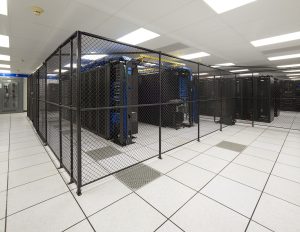
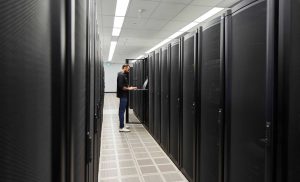
Colocation, often abbreviated as “Colo,” refers to the practice of housing privately-owned servers and networking equipment in a third-party data center facility. These facilities provide the necessary infrastructure, including power, cooling, security, and network connectivity, allowing businesses to deploy and manage their IT infrastructure in a secure and reliable environment. Here are key aspects of colocation services:
1. Physical Security: Colocation data centers offer robust physical security measures to protect equipment from theft, vandalism, and unauthorized access. These may include security guards, surveillance cameras, biometric access controls, and locked cabinets or cages.
2. Redundant Power Supply: Colocation facilities are equipped with redundant power systems, including backup generators and uninterruptible power supplies (UPS), to ensure continuous power availability. This minimizes the risk of downtime due to power outages or fluctuations.
3. Climate Control: Data centers maintain optimal environmental conditions, including temperature and humidity levels, through advanced cooling systems. This helps prevent equipment overheating and ensures optimal performance and reliability.
4. Network Connectivity: Colocation providers offer high-speed, redundant network connectivity options, allowing businesses to connect to multiple internet service providers (ISPs) and network carriers for enhanced reliability and performance.
5. Scalability: Colocation services offer scalability, allowing businesses to scale their IT infrastructure as needed without the upfront costs and complexities associated with building and managing their own data centers. Additional space, power, and bandwidth can be easily provisioned to accommodate growth.
6. Cost Efficiency: Colocation eliminates the need for businesses to invest in expensive data center infrastructure and facilities management. Instead, they pay a predictable monthly fee for the space, power, and services they use, resulting in cost savings and predictable operational expenses.
7. Disaster Recovery and Business Continuity: Colocation facilities offer a secure offsite location for backup and disaster recovery purposes. Businesses can replicate their data and applications to the colocation facility, ensuring data protection and continuity of operations in the event of a disaster or outage at their primary location.
8. Compliance and Regulations: Colocation providers often adhere to industry standards and compliance regulations, such as SSAE 18, HIPAA, GDPR, and PCI DSS, ensuring that businesses can meet their regulatory requirements for data security and privacy.
Conclusion: Colocation services offer businesses a reliable and cost-effective solution for housing their IT infrastructure in a secure and professionally managed environment. With features such as physical security, redundant power, network connectivity, scalability, and compliance, colocation enables businesses to focus on their core operations while outsourcing the management of their IT infrastructure to trusted third-party providers.